Design of Experiments, Calibration, and Machine Learning for Multi-Fidelity Simulation and Data Fusion
On Demand
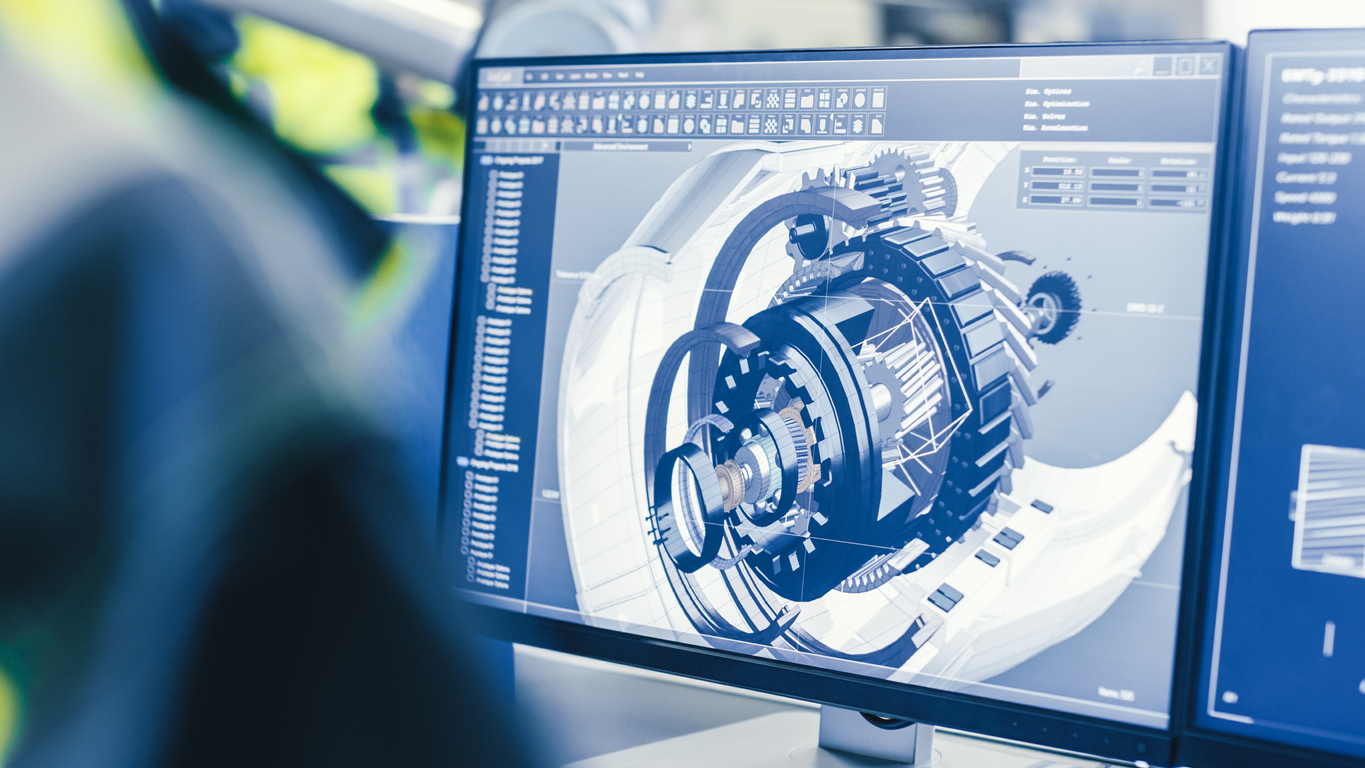
Surrogate modeling, whereby a machine learning (ML) model is trained to predict a simulation’s results and then used in place of the simulation to accelerate analyses is a popular and powerful approach to getting the most out of engineering simulations. However, the ML model needs to be trained with data collected from the simulation. Collecting enough data to train a sufficiently accurate ML model can pose a challenge for high fidelity simulations which take a long time to run. A solution is multi-fidelity modeling, whereby the training process is augmented with data collected from lower fidelity, faster running simulations.
In other instances, data is available from multiple sources which can include different simulations as well as physical data from test or sensor readings. The objective is to integrate data from all the disparate sources into a single more consistent, accurate model capable of providing more useful predictions than any single source alone. This process, called data fusion while different, is related to multi-fidelity modeling and many of the same tools and techniques can be applied to both.
Join us for this webinar in which SmartUQ principal application engineer, Gavin Jones, will introduce the use of SmartUQ design of experiments, machine learning models, and unique statistical calibration approaches for multi-fidelity modeling and data fusion.
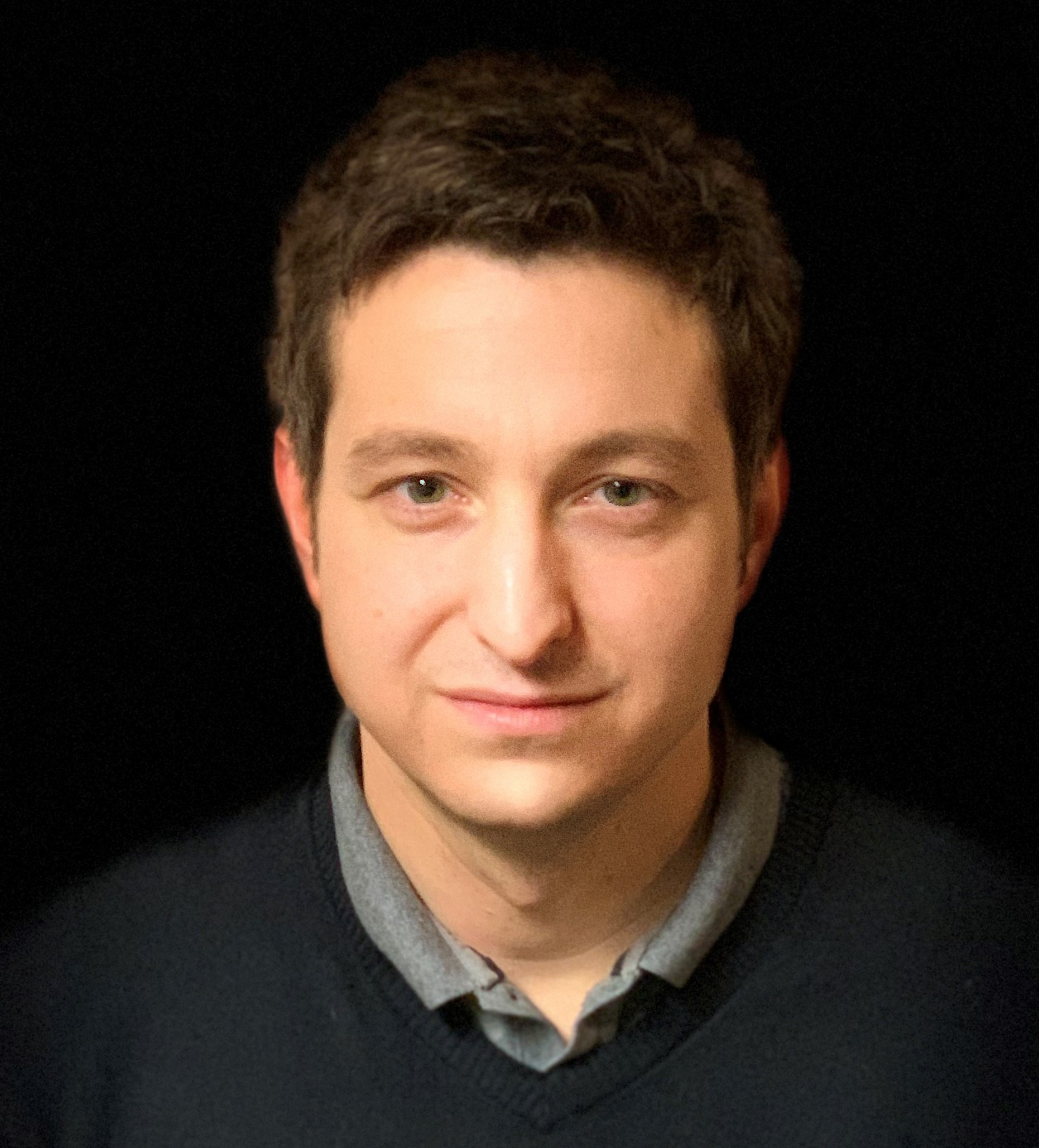
Presented by Gavin Jones, Principal Application Engineer
Gavin Jones serves as a Principal Application Engineer at SmartUQ, where he is responsible for performing simulation and AI work for clients in the automotive, aerospace, defense, semiconductor, and other industries. He is a member of the SAE Chassis Committee as well as the AIAA Digital Engineering Integration Committee. Gavin is also a key contributor in SmartUQ’s Digital Twin/Digital Thread initiative.